
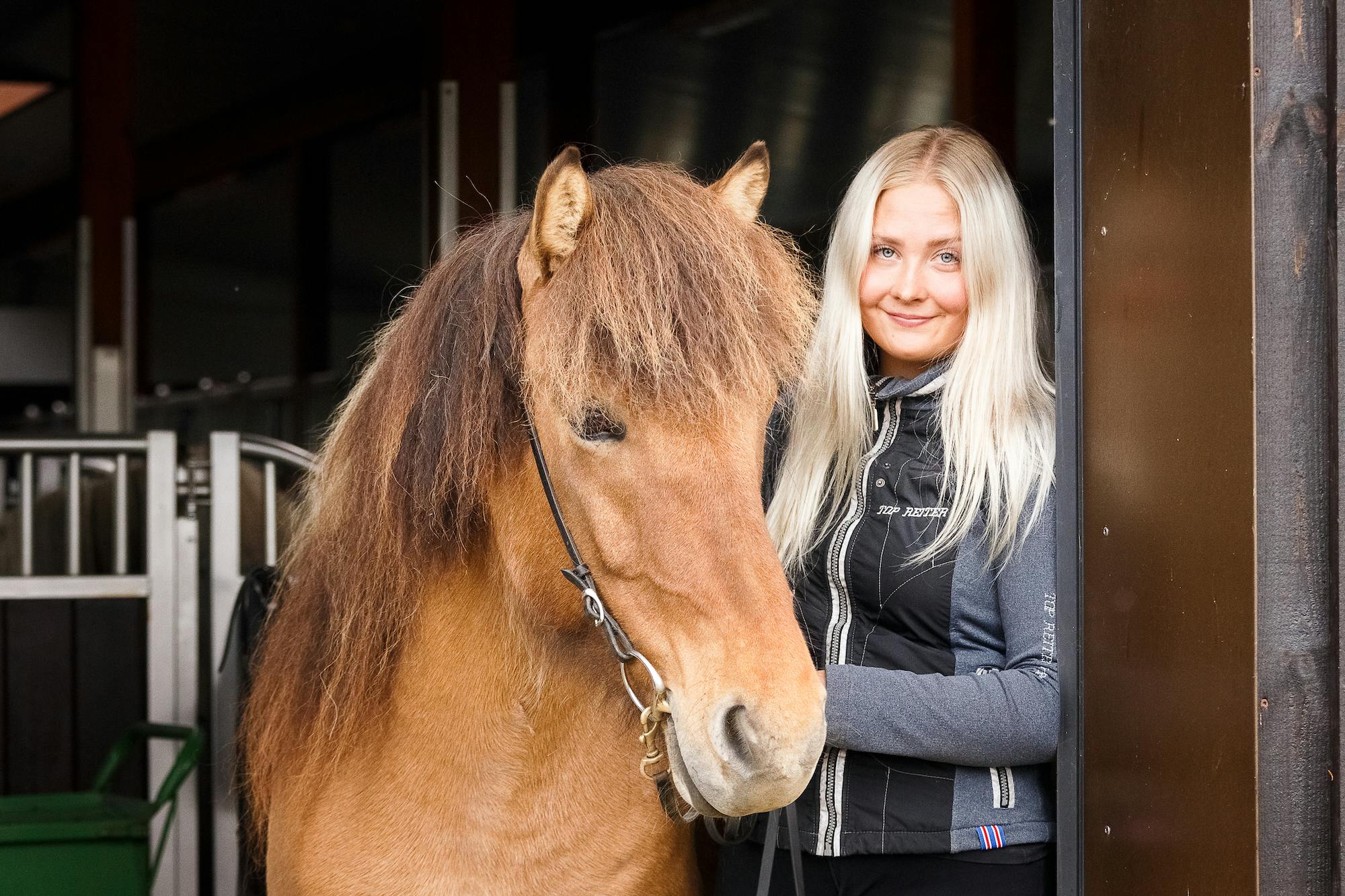
Photo: Christiane Slawik
Buying an Icelandic horse
We’re thrilled to see your interest in buying an Icelandic horse.
Whether you’re new to the breed or already know it well, these simple steps will help guide the process.
Step 1 - Define your needs
Icelandic horses are known for their personality and versatility, making it possible to find a horse that truly matches your riding style and goals.
We recommend starting by defining what you are looking for. These questions can help:
- What do you intend to use the horse for? (leisure, sport, breeding, therapy, etc.)
- What is your riding experience and preference?
- What kind of temperament are you looking for? (calm, energetic, or somewhere in between)
- Where should the horse be in its training? (young, ridden, trained in basic gaits, secure in tölt, experienced on a competition track, etc.)
- Are you looking for a 4- or 5-gaited horse? How important is gait quality?
- What is your budget?
Being clear about your priorities helps professionals guide you more effectively.
Step 2 - Contact a breeder or seller
Share your criteria with breeders or sellers
- The horse's name and FEIF ID*
- Videos showing the horse in different situations and gaits
- Information about training, temperament and background
When possible, we recommend test riding the horse or having a trusted professional do so on your behalf. Make sure they clearly understand what you are looking for.
Step 3 - Veterinary check and paperwork
Before finalising a purchase, most buyers choose to arrange an independent pre-purchase veterinary examination. At purchase, make sure that:
- The horse's identity is confirmed (microchip reading)
- Ownership is transferred in
WorldFengur
- Registration and passport are handed over (if applicable)
Step 4 - Bringing your horse home
If the horse is leaving Iceland, an experienced export company
- Advise on destination specific requirements
- Handle documentation and transport logistics in Iceland
- Coordinate timelines, quarantine (if required) and flights
You can then decide whether to collect your horse at the destination airport or use a professional transporter.
If the horse is not leaving Iceland:
- Make sure you understand applicable transport regulations and documentation
- Arrange a professional transporter or transport the horse yourself
Step 5 - Arrival
Once the horse arrives, give it time to adjust. Good preparation includes:
- A calm environment and appropriate turnout
- Gradual introduction to new feed, companions and routines
- A vaccination process (if the horse comes from Iceland) and/or a follow-up check with a local veterinarian, if needed
Buying an Icelandic horse is not just a transaction but the start of a beautiful partnership. Being clear about your expectations, asking questions and working with experienced professionals contributes to horse welfare, rider safety and long-term enjoyment.
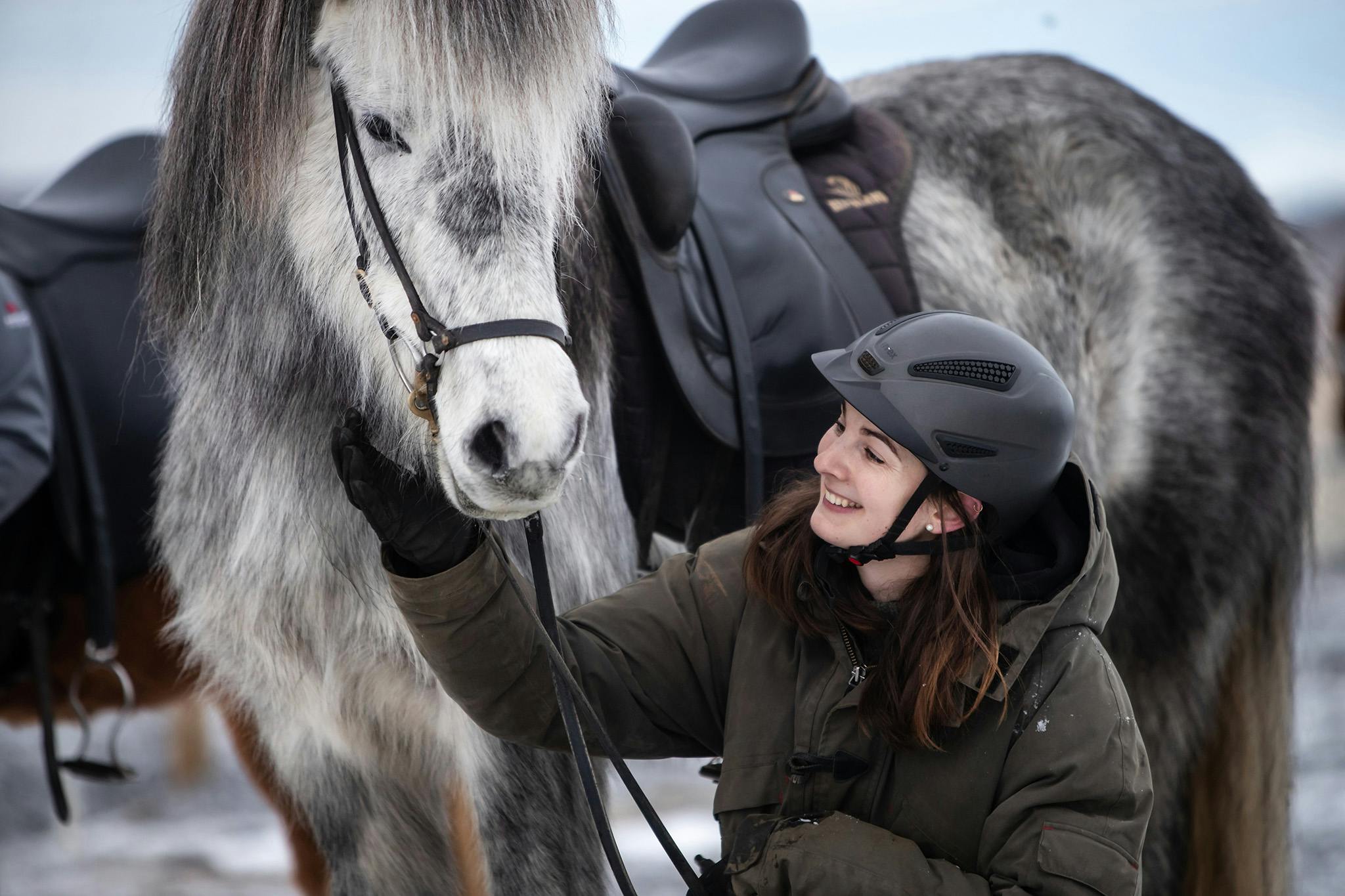
Photo: Carolin Giese
* FEIF ID refers to the horse’s unique registration number in WorldFengur. More about FEIF.